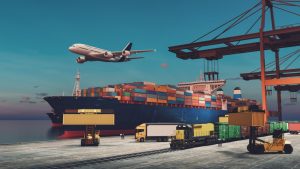
 From rising freight costs to delays across major shipping routes, global conflict is placing increasing pressure on the UK warehousing and logistics sector. Ongoing geopolitical instability is disrupting international trade networks, forcing businesses, freight operators and warehouses to adapt quickly to an increasingly unpredictable supply chain environment.
Across the UK, logistics providers are dealing with longer lead times, higher transport costs and growing pressure on inventory management. In response, many businesses are increasing domestic stockholding and moving away from traditional just-in-time models towards more resilient just-in-case supply chain strategies.
While the human impact of global conflict remains the most important consideration, these events also create operational challenges across global trade, freight movement and warehousing. From the ongoing conflict in Ukraine and disruption across key shipping corridors such as the Strait of Hormuz, to wider trade tensions and fuel price volatility, businesses across the UK are facing growing pressure to improve supply chain resilience.
Logistics UK has warned that rising fuel prices and global instability are continuing to increase operational pressure across the UK freight and logistics sector. This article explores how global instability is affecting the UK warehousing and logistics industry, which sectors are most vulnerable, and how warehouses and 3PL providers are adapting to ongoing disruption in 2026.
How Wars Disrupt Warehousing & Logistics
Transport Route Disruption
Global conflicts can make key transport corridors unsafe or heavily restricted, forcing logistics providers to use alternative multimodal routes to keep goods moving. These longer routes often increase both transit times and transport costs, creating delays across container freight, pallet distribution and fulfilment operations.
The impact is felt across all transport modes, including road haulage, sea freight and air freight. HGV operators may face restricted road access, while shipping lines and airlines are forced to reroute around higher-risk regions. As delivery schedules become less predictable, freight reliability can decline significantly and supply chains become far harder to manage efficiently.
Port Congestion
When major trade routes are disrupted, cargo is often redirected through alternative ports and terminals, increasing congestion and the likelihood of delays. This can lead to backlogs of container vessels, Ro-Ro freight and inbound cargo waiting to be unloaded, processed and redistributed across the wider logistics network.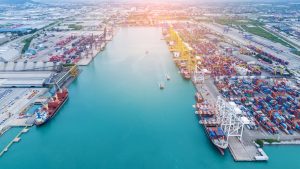
As pressure builds, containers and freight can end up delayed in already congested regions, creating knock-on effects across warehousing, fulfilment and distribution operations throughout the UK and Europe. Similar disruption can also affect airports, where rerouted air freight places additional strain on cargo terminals and handling capacity.
Customs & Trade Restrictions
Geopolitical tensions and international sanctions can increase customs checks and trade restrictions for goods moving between countries. Additional documentation, inspections and compliance requirements often slow down the movement of freight, particularly at borders, ports and airports.
For importers, exporters and logistics providers, these added processes create further pressure across supply chains. Delays at customs can increase lead times, create congestion at terminals and reduce visibility around delivery schedules. Restrictions on certain goods or trade routes may also force businesses to rethink sourcing strategies and distribution networks.
Fuel Price Volatility
Rising geopolitical tensions continue to affect global fuel and energy markets, creating significant volatility in oil and fuel prices. As operating costs increase, shipping lines, courier networks and haulage companies are often forced to introduce fuel surcharges or increase pricing to protect already pressured margins.
Logistics UK reports that the cost of filling a large HGV has increased by 31% over the past three months, highlighting the growing financial pressure facing freight and logistics operators across the UK.
For warehousing and logistics businesses, fluctuating fuel costs make transport planning far less predictable. Rising operational expenses can reduce profitability across fulfilment and haulage operations, while businesses importing goods into the UK may also face higher delivery costs and increased freight uncertainty.
Labour Disruption
Conflict and geopolitical instability can also affect labour availability across international logistics networks. In higher-risk regions, transport operators and drivers may face safety concerns, while multimodal links can experience staffing shortages that slow freight movement further.
These pressures can have a knock-on effect across the wider supply chain, including the UK warehousing sector. As businesses increase stockholding and look for more flexible storage solutions, demand for warehouse labour and 3PL services continues to rise, placing further strain on an already pressured logistics workforce.
Inventory & Fulfilment Uncertainty
As disruption continues, businesses are facing growing uncertainty around inbound freight movements and supplier lead times. Delays and inconsistent delivery schedules make it increasingly difficult for warehouses and businesses to accurately forecast stock arrivals and manage fulfilment efficiently.
This lack of predictability can create volatile replenishment cycles, fluctuating inventory levels and inconsistent inbound stock flow. For warehouse operators, this makes storage planning, labour allocation and fulfilment scheduling significantly more challenging during periods of sustained disruption.
Warehousing Changes Within the UK
Increased Demand for Just-in-Case Stock
Ongoing disruption across international trade networks has led many UK businesses to rethink how they manage inventory. With imports becoming less predictable and lead times harder to forecast, more companies are increasing domestic stockholding to reduce the risk of delays and shortages.
Rather than relying purely on smaller, frequent consignments, many businesses are now moving towards larger consolidated pallet shipments and container loads. As a result, demand for pallet storage across the UK continues to rise as businesses hold more inventory for longer periods.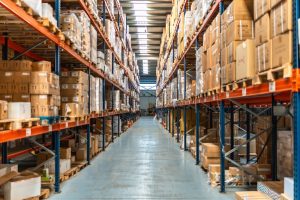
This reflects a wider move away from traditional just-in-time supply chain models in favour of more resilient just-in-case strategies. If seasonal demand suddenly increases but imported stock is delayed due to transport disruption or geopolitical instability, businesses can quickly face lost sales opportunities and fulfilment delays.
To reduce this risk, demand for pallet storage, overflow warehousing and flexible storage solutions has continued to grow, particularly among retailers, ecommerce businesses and importers looking to improve operational resilience.
Alongside this, many businesses are also seeking more flexible warehousing agreements, including short-term overflow space and scalable storage solutions that can adapt to changing inventory levels.
Pressure on Transport & Fulfilment Costs
Global conflict and geopolitical instability continue to place significant pressure on transport and fulfilment costs across the UK logistics sector. Rising fuel prices, volatile container freight rates and increasing haulage costs have all contributed to higher operating expenses for businesses moving goods domestically and internationally.
Longer and rerouted transport routes and increased risk across key trade corridors have also added to the cost of moving freight. While 3PL operators continue working to keep storage and fulfilment costs competitive, many businesses are still experiencing rising supply chain expenditure overall.
According to International Forwarding Ltd, UK haulage costs are influenced not only by direct factors such as distance, route planning and load size, but also by wider geopolitical events and global economic pressures, all of which have contributed to rising transport costs in 2026.
Growth in Nearshoring & UK Inventory
As international logistics disruption continues, many businesses are looking to reduce their reliance on long-distance imports and increasingly complex global supply routes. This has led to growing interest in nearshoring, with companies sourcing products and suppliers closer to the UK and wider European markets.
For many businesses, reducing reliance on Asian manufacturing and long-haul shipping routes can improve lead times, lower transport risk and create greater supply chain stability. At the same time, holding more inventory within the UK allows businesses to respond faster to customer demand and minimise disruption caused by overseas delays.
This shift is increasing demand for strategically located UK distribution centres, particularly across major logistics hubs such as the Midlands, including Northampton and Nottingham, as well as the North West and port-centric locations such as Felixstowe and Southampton. These regions continue to play a key role in supporting national fulfilment and ecommerce logistics operations.
Most Affected Sectors
Retail & Ecommerce
The retail and ecommerce sector is one of the most heavily affected by global logistics disruption, particularly businesses that rely on imported consumer goods from Asia and other international markets. Industries such as fast fashion, electronics and online retail depend on reliable freight movement and fast fulfilment to keep pace with consumer demand, especially during peak trading periods such as summer sales, Black Friday and Christmas.
As ecommerce continues to grow across the UK, customer expectations around next-day and same-day delivery have increased significantly. Delays across shipping routes, ports and haulage networks can quickly lead to stock shortages, missed sales opportunities and growing pressure on fulfilment operations. Rising fuel prices and transport costs also increase the cost of delivery and returns management, which is particularly challenging for ecommerce businesses with high return volumes.
To improve resilience, many retailers are increasing domestic stockholding, securing additional pallet storage and working with flexible 3PL and fulfilment providers to maintain stock availability and improve delivery reliability during periods of disruption.
Manufacturing
The manufacturing sector relies heavily on stable supply chains, consistent lead times and reliable access to raw materials and components. Geopolitical instability and freight disruption can quickly create shortages, production delays and operational uncertainty, particularly for manufacturers sourcing materials internationally.
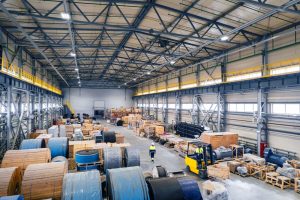 As a result, many UK manufacturers are moving away from lean inventory models and increasing stockholding to reduce disruption risk. Businesses are also diversifying supplier networks and securing additional warehouse capacity to store raw materials, components and finished products closer to production facilities.
This shift continues to increase demand for industrial warehousing and strategically located distribution space across the UK manufacturing sector.
Automotive
The automotive industry is a large part of the UK economy and depends on efficient international supply chains to support vehicle manufacturing and spare parts distribution. Many manufacturers and suppliers rely on imported components, making the sector particularly vulnerable to delays across shipping routes and customs operations.
Disruption to inbound deliveries can result in production slowdowns, parts shortages and increased pressure on inventory management. In response, many automotive businesses are increasing just-in-case stock levels and securing additional warehouse space to improve operational resilience and maintain production continuity.
The automotive and manufacturing sectors also continue to drive demand for warehouse space across the Midlands, which remains one of the UK’s most important industrial and logistics corridors.
Food & Beverage
The food and beverage sector is particularly vulnerable to disruption due to its reliance on imported ingredients, temperature-controlled transport and strict delivery schedules. Delays can have a major impact on product availability, particularly for perishable goods with limited shelf life.
Rising fuel and haulage costs have also increased pressure on suppliers across the UK food supply chain. In response, many food and beverage businesses are increasing stockholding within UK warehouses and distribution centres to improve resilience and reduce the risk of shortages.
Demand for cold storage, regional fulfilment hubs and flexible warehousing solutions has continued to grow as businesses look to maintain reliable supply and respond more effectively to changing consumer demand.
Pharmaceuticals & Healthcare
The pharmaceutical and healthcare sector relies heavily on stable and highly regulated supply chains, making disruption particularly challenging for suppliers and distributors. Delays affecting imported medical products, pharmaceutical ingredients and healthcare equipment can create significant operational pressure, especially where products require specialist handling or temperature-controlled storage.
To reduce supply chain risk, many pharmaceutical businesses are increasing inventory levels and strengthening domestic storage capacity within the UK. Demand for secure warehousing, cold-chain logistics and reliable fulfilment operations has grown as healthcare providers and suppliers prioritise availability, compliance and continuity of supply.
In a sector where delays can have serious consequences, resilient warehousing and logistics networks have become increasingly important to maintaining healthcare supply across the UK.
How UK Warehousing & 3PLs Are Responding
As international supply chains continue to face disruption, UK warehouses and third-party logistics providers (3PLs) are adapting operations. From increasing storage capacity to investing in automation and regional fulfilment networks, the warehousing sector is playing an increasingly important role in helping businesses manage uncertainty and maintain operational stability.
Some of the main ways UK warehouses and logistics providers are responding include:
- Offering more flexible warehousing solutions: Many warehouses now provide short-term and scalable storage agreements, allowing businesses to react more quickly to changing inventory levels, seasonal demand and supply chain disruption.

- Supporting just-in-case inventory strategies: To reduce the risk of shortages and delayed imports, warehouses are helping businesses increase safety stock through additional pallet storage and overflow warehousing solutions.
- Investing in warehouse automation: As labour shortages and operational pressure continue across the logistics sector, more fulfilment centres and 3PL providers are implementing automation technology to improve efficiency, increase throughput and reduce reliance on manual processes.
- Improving warehouse management systems (WMS): Advanced warehouse management systems are helping operators improve inventory visibility, stock forecasting and fulfilment accuracy, even during periods of operational disruption.
- Increasing nearshoring and UK-based inventory: More businesses are sourcing products closer to the UK and storing inventory domestically to reduce exposure to international shipping disruption and long lead times.
- Expanding regional fulfilment networks: Businesses are increasingly distributing stock across multiple warehouse locations closer to key customer bases. Holding inventory nearer to major population centres can reduce haulage costs, improve delivery reliability and support faster order fulfilment.
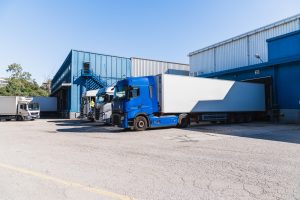
- Diversifying transport and distribution routes: Logistics providers are reducing reliance on single ports, shipping lanes and transport corridors to improve supply chain resilience and minimise disruption risk.
- Prioritising energy efficiency and cost control: Rising operational costs have encouraged many warehouses to invest in energy-efficient lighting, equipment and transport planning to improve long-term efficiency.
- Expanding cold storage capacity: Demand for temperature-controlled warehousing continues to rise, particularly within the food, beverage and pharmaceutical sectors where protecting sensitive inventory is critical.
What Businesses Should Consider in 2026
In 2026, one of the biggest priorities for businesses is improving supply chain resilience through increased safety stock and more flexible warehousing strategies. With continued uncertainty across global trade routes and ongoing disruption to international freight networks, relying heavily on predictable import schedules has become increasingly risky for many UK businesses.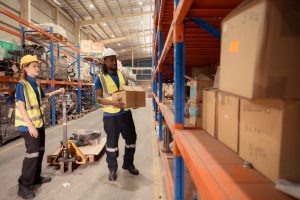
As a result, more companies are reviewing their supply chain operations and looking at ways to reduce exposure to delays and freight disruption. For some, this means increasing just-in-case inventory and holding more stock within UK warehouses to improve availability and maintain consistent fulfilment.
Others are exploring nearshoring opportunities by sourcing products and suppliers closer to the UK and European markets, helping to reduce lead times, lower transport risk and improve supply chain stability.
Businesses are also diversifying supplier networks, using multiple fulfilment centres and working with flexible 3PL providers to improve operational agility and reduce overall haulage costs. Alongside this, improving forecasting, inventory visibility and warehouse planning has become increasingly important as businesses look to respond more effectively to fluctuating demand and ongoing global instability.
Future Outlook for UK Warehousing & Logistics
Looking ahead, international supply chains are likely to remain under pressure as geopolitical instability, trade tensions and rising transport costs continue to affect the movement of goods worldwide. For the UK warehousing and logistics sector, resilience is becoming just as important as speed and efficiency.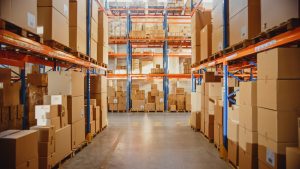
Businesses are no longer focusing solely on reducing costs through lean inventory models. Instead, many are prioritising flexibility, visibility and supply chain stability to better manage ongoing uncertainty.
As a result, demand for flexible warehousing, regional fulfilment networks and UK-based inventory storage is expected to continue growing throughout 2026 and beyond. Warehousing providers and 3PL operators that can offer scalable storage, reliable fulfilment and adaptable logistics solutions are likely to play an increasingly important role in supporting businesses through continued disruption.
While global instability continues to create challenges across international trade, it is also accelerating long-term investment, automation and strategic change throughout the UK warehousing and logistics industry.
Sources:
International Forwarding Ltd: UK haulage costs in 2026 – and how to reduce them