- Storage
- Fulfilment
- Transport
- Dropshipping
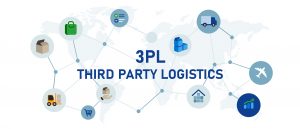 As the UK warehousing market continues to grow, many warehouses are evolving into full third-party logistics (3PL) providers to help businesses streamline their operations. 3PL companies play a critical role in the UK supply chain, offering services such as pallet storage, order fulfilment and nationwide distribution. By outsourcing logistics to a 3PL, businesses can scale efficiently while day-to-day warehousing and fulfilment operations are handled by experienced specialists, allowing them to focus on growth in other key areas.
whichwarehouse helps businesses find and compare 3PL companies across the UK, matching requirements with suitable providers based on location and service needs. This 3PLs in the UK guide explains third-party logistics, the services offered by 3PL providers, how 3PL warehousing and fulfilment works, typical 3PL pricing and how to choose the right logistics partner.
What is a 3PL?
3PL companies in the UK specialise in outsourced warehousing and distribution services for businesses. While most 3PLs provide core services such as storage and distribution, the range of services offered can vary significantly between providers. From fulfilment services such as pick and pack to specialised pallet storage and handling, businesses use 3PLs as a one-stop solution for managing their logistics operations.
One of the main reasons UK businesses outsource to a 3PL is to avoid the cost, complexity and long-term commitment involved in running their own warehouse or distribution network. Most 3PL providers operate warehouse management systems (WMS), giving businesses visibility of stock levels, order status, tracking and reporting in real time. This allows businesses to scale operations efficiently while retaining control over their inventory.
3PL providers vary in size and capability. In the UK, they range from regional operators supporting local distribution to national providers with multiple warehouse locations, and many also offering international distribution and freight services.
3PL Services In The UK
Every 3PL provider across England, Scotland, Wales, Northern Ireland and the Republic of Ireland offers a different mix of services to support business operations. The services available will depend on the warehouse facility, location, handling capabilities and the type of goods that can be stored. Below is an overview of the core services you can typically expect a UK 3PL to offer:
- Pallet Storage – Secure short and long-term pallet storage, with racking and floor-based options available.
- Bulk & Oversized Storage – Floor space storage for oversized, irregular or high-volume goods that cannot be stored in racking.
- Specialised Storage – Storage solutions for temperature-controlled, hazardous or bonded goods, subject to regulatory requirements.
- Fulfilment Services – End-to-end fulfilment operations for ecommerce and omnichannel orders, including pick and pack, value-added services, returns management and distribution.
- Pick and Pack – The picking of cartons or individual items from palletised stock and packing them ready for despatch.

- Value-Added Services – Additional services such as packaging, labelling, kitting and assembly.
- Goods Handling – The safe movement of pallets and goods within the warehouse, including unloading, stacking and racking.
- Unloading/Devanning – The unloading of pallets and cartons from shipping containers, vans and HGVs for storage or onward distribution.
- Reverse Logistics & Returns Management – The processing, collection and handling of returned goods, including inspection, restocking or disposal where required.
- Distribution Services – Regional, national and international haulage and freight forwarding, including multimodal transport via road, air, rail and sea.
- Inventory Management – The use of warehouse management systems (WMS) to provide real-time stock visibility, goods-in and goods-out tracking, and reporting on stock levels and movements.
Who uses a 3PL?
Third-party logistics services in the UK are used by businesses of all sizes, from ecommerce retailers and growing SMEs to established brands and multinational companies. 3PLs are particularly attractive to ecommerce sellers, as outsourcing storage and fulfilment can significantly improve cost efficiency while reducing the time and resources required to manage day-to-day logistics operations.
Growing SMEs also use 3PL providers to scale their operations efficiently, allowing them to increase or reduce storage and fulfilment capacity in line with seasonal demand or periods of rapid growth. For established brands and multinational businesses, 3PLs are often used to expand into new regions, improve delivery times and support more complex distribution networks.
A key reason many UK businesses choose to work with a 3PL is to avoid the costs and hassle that comes with running their own warehouse operations. Importers and exporters also commonly use UK 3PL services for container unloading, pallet storage and onward distribution within the UK, particularly where goods require specialist handling such as bonded storage.
Ecommerce Fulfilment 3PLs
As outlined earlier, fulfilment services are a core offering provided by many 3PL warehouses. With the growth of ecommerce, these services have become increasingly important for businesses selling across multiple channels. Modern 3PLs operate excellent warehouse management systems that support omnichannel fulfilment, allowing businesses to track stock levels and order progress through secure online access, from goods receipt through to despatch.
Orders placed through ecommerce platforms such as Shopify and Amazon can be automatically received by the warehouse, where the 3PL manages the picking, packing and despatch of each order. Many UK 3PL providers also offer same-day or next-day delivery options, depending on order cut-off times and distribution networks.
By outsourcing fulfilment to a 3PL, ecommerce retailers can remove the operational burden of warehousing and order processing, freeing up time and resources to focus on growth activities such as marketing, product development and customer experience, while also reducing overheads and the need for dedicated warehouse space.
For more information on fulfilment services in the UK, explore our dedicated fulfilment guide.
Third-Party Logistics Pricing In The UK
When it comes to third-party logistics pricing, there are no fixed costs. Pricing varies depending on several factors, including the type of warehouse, its location, storage volumes and the services required. Costs can range from basic pallet storage through to full pick and pack fulfilment and nationwide distribution. This section outlines what you can expect when reviewing 3PL quotes in the UK.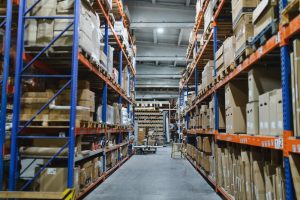
What’s included in 3PL pricing?
One of the main costs associated with 3PL services is storage, whether for pallets, cartons or individual SKUs. Storage charges are commonly calculated on a per-pallet, per-week basis or by the square footage used, which is more typical for bulky or oversized goods. Pallet storage pricing can vary depending on factors such as storage duration, volume and whether goods are floor-stacked or racked. For a detailed breakdown, see our pallet storage pricing guide, which also covers RH&D costs.
If required, fulfilment services, including pick and pack, are an additional cost. These charges are usually applied per item or per order and cover picking goods from storage, packing orders and preparing them for despatch. Value added services such as labelling, shrink wrapping and assembly may also apply, along with the cost of materials used. For more information, see our fulfilment guide.
Distribution is another key cost within 3PL pricing. Courier rates vary by warehouse and are influenced by factors such as delivery distance, fuel costs, access to transport networks and the carriers used. Premium services such as next-day or same-day delivery may increase overall costs.
3PL pricing influencers
Several operational factors influence 3PL pricing. Warehouse location plays a significant role, with London and the South East typically costing more than other UK regions due to higher land and labour costs. Location also impacts distribution pricing based on proximity to end customers. Order volume and consistency can reduce per-unit costs, while specialist goods requiring bonded, hazardous or temperature-controlled storage may increase charges. SKU complexity and seasonal demand peaks can also affect pricing due to additional handling, labour and space requirements.
How to reduce 3PL costs
Businesses can reduce 3PL costs by choosing a warehouse that aligns closely with their operational needs. Consolidating SKUs and simplifying inventory can lower picking and handling fees, while accurate volume forecasting helps minimise unexpected costs during peak periods. Selecting a warehouse location closer to customers can reduce distribution spend depending on transport routes.
whichwarehouse can connect you with trusted 3PL providers across the UK, allowing you to compare free quotes and shortlist the right warehouse for your requirements.
Choosing the Right 3PL
When selecting a 3PL provider, consider the following: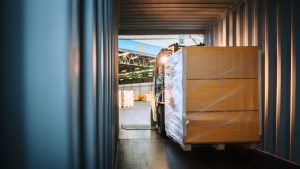
- Services and storage options – Ensure the UK 3PL offers the services you require, such as pallet storage, bonded or temperature-controlled facilities, pick and pack, or full ecommerce fulfilment.
- Warehouse location – Consider proximity to major transport routes, ports and multimodal networks, as well as access to high-demand customer markets and delivery hubs.
- Coverage and reach – Check whether the 3PL supports regional, national or international distribution based on your current and future requirements.
- Systems and technology – Look for a robust warehouse management system (WMS) with integrations for ecommerce platforms and support for omnichannel fulfilment.
- Industry experience – Assess whether the provider has experience handling similar products, including any specialist or regulated goods.
- Pricing and transparency – Review costs carefully, ensuring pricing is clear and aligned with your volumes, and watch for minimum charges or hidden fees.
Finding a 3PL in the UK with whichwarehouse
whichwarehouse helps you find trusted 3PLs across the UK. Use our homepage to search by location and services, email [email protected] for support or complete our Get Free Quotes form. You’ll receive responses directly from relevant 3PLs, making it easy to compare options and shortlist the right warehouse for your requirements.
Looking to advertise your 3PL?
If you’re a third-party logistics provider looking to fill available warehousing, whichwarehouse can help. Our Fill Space page allows you to advertise your warehouse and promote your 3PL services to businesses actively searching for storage and fulfilment solutions.
We work with a large network of logistics companies already receiving enquiries either directly or through our matching service. To find out how whichwarehouse can support your marketing and increase enquiries, call us on 0800 1 707 555 or visit our fill space page.
3PL FAQs
What does 3PL stand for?
3PL stands for third-Party logistics. A 3PL provider is a company that manages outsourced logistics services on behalf of businesses, including warehousing, pallet storage, fulfilment and distribution. Instead of operating their own warehouse, businesses use a 3PL to handle storage, order processing and delivery.
What’s the difference between a 3PL and fulfilment?
Fulfilment is a service offered by many 3PL providers. A 3PL typically offers a broader range of logistics services, including pallet storage, bulk storage, distribution and freight, whereas fulfilment specifically relates to picking, packing and despatching orders, often for ecommerce businesses. In short, fulfilment is one part of what a 3PL can provide.
Is a 3PL suitable for small businesses?
Yes. 3PL services are commonly used by startups and growing SMEs as well as larger brands. Outsourcing logistics allows smaller businesses to avoid the cost and complexity of running their own warehouse while benefiting from professional storage, fulfilment and distribution infrastructure. Many UK 3PLs offer flexible pricing models to support lower volumes and growth.
Do 3PLs handle pallet storage?
Yes, pallet storage is one of the core services offered by most UK 3PL providers. This can include short-term or long-term pallet storage, racked or floor-based storage, and specialist solutions such as bonded or temperature-controlled facilities where required.
How quickly can I start with a 3PL?
Start times vary depending on the complexity of your requirements, system integrations and stock volumes. In many cases, pallet storage can begin within days once agreements are in place. Ecommerce fulfilment setups may take longer to allow for system integration, stock intake and operational testing. Comparing providers can help you find a 3PL that meets your required timeline.
How much does a 3PL cost in the UK?
There is no fixed pricing for 3PL services in the UK. Costs depend on factors such as storage volumes, order frequency, warehouse location and the services required. Charges typically include storage, handling, fulfilment and distribution. Requesting multiple quotes allows businesses to compare pricing structures and find the most suitable option.
Can a 3PL support ecommerce businesses?
Yes. Many UK 3PLs specialise in ecommerce fulfilment, offering pick and pack services, returns management and integrations with platforms such as Shopify and Amazon. These providers use warehouse management systems (WMS) to provide real-time stock visibility and order tracking.
How do I find a 3PL in the UK?
Businesses can search for 3PL providers by location and service requirements. Using whichwarehouse allows you to compare multiple providers, request free quotes and shortlist suitable options based on your operational needs.